
Archive Monthly Archives: June 2021
How to Get Around High Lumber Prices
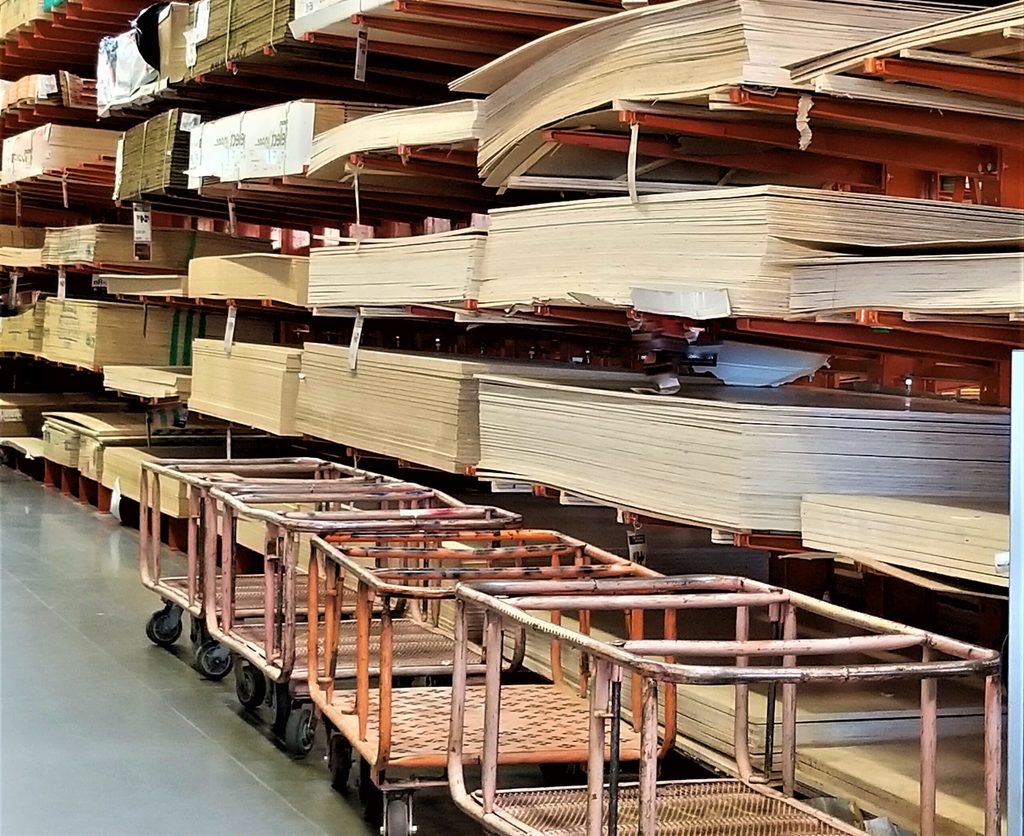
The pandemic has brought about shortages in virtually every industry, from cleaning supplies to automobiles to, of course, construction materials. Even though lumber prices are expensive, it doesn’t necessarily mean you need to put off the home renovations you’ve been planning. You can consider rethinking your renovation plans to use other materials and achieve a beautiful, unique finished space. Just because lumber is a traditional material doesn’t that it’s your only option. Other building supplies can work just as well, or even better, for your project.
Knowing why lumber prices are elevated may help you make the best decision for your renovation. However, you also should know you can get around this issue. Rising lumber prices could increase in cost and extend timelines. However, lumber costs typically only account for 10% of most construction project budgets. With a little creativity you can still easily move ahead with your dream renovations both on time and on budget.
What’s Caused the Cost of Lumber to Rise?
Typically, lumber is pretty affordable. However, in just over a year lumber costs has reached an all time high, rising as much as 337%. As one of the most heavily-used raw materials, this presents a big problem.
The events that led to today’s lumber crisis started before the pandemic. Wildfires and tree-destroying insects damaged the industry’s tree supply throughout the 2000s and 2010s. Then, when the pandemic began, lumber mills expected decreased demand like with previous US recessions. This meant that not only was there a decreased tree supply, but mills drastically cut output.
However, things didn’t quite go as predicted. Due to a number of factors, the demand for lumber actually increased. With people spending more time at home than ever before, home renovations jumped drastically as every put off project became a priority. Then, new residential construction also skyrocketed, further increasing stress on the lumber industry’s production.
If you’re hoping to start a home renovation soon, the effect of lumber prices may be a concern. When and how much lumber prices will drop is still very much so up for debate. However, this doesn’t necessarily mean that you need to halt your home renovation plans. Luckily, though, the trend of lumber prices being lower in the fall than in the spring is expected to continue.
How Do Rising Lumber Prices Effect Renovations?
In short, rising lumber prices and shortages can increase project timelines alongside the cost of home renovations. According to Realtor.com the national average price for a kitchen renovation pre-pandemic was $20,474 (and even more in the Bay Area). With the effects of the current state of the lumber industry in place, the price for kitchen remodels can reach nearly $30,000. However, it’s important to remember these numbers don’t necessarily include your architect and project manager actively seeking solutions to your materials problem. So while it may seem stressful when you’re concerned about your remodeling costs, moving forward will be less expensive than risking the wait.
Alternatives to Lumber for Your Material Selections
One of the simplest solutions to the problem with lumber prices is to avoid using lumber wherever possible. Typically, lumber is heavily used in the renovation of kitchens and bathrooms. Most built-in cabinets are designed from high-quality lumber in order to withstand constant use. The good news is there are many materials that can fit your needs, whether your priority is budget or your project timeline.
Affordable lumber alternatives include concrete, metal, bamboo, plastics, and composites. These materials are all durable and make fantastic alternatives to lumber. Plus, you can create a unique-looking space while also saving money. Many alternative building materials also have a lessened impact on the environment.
Lumber Alternatives can be More Affordable, Durable, and Unique

If green, eco-friendly materials are important for you, you may consider cork. This is lightweight and a great choice for areas that are frequently exposed to water. You may also consider reclaimed materials, such as woods and metals. Not only will these supplies lessen the cost of your renovation, you’ll also reduce environmental impacts of your project. Sourcing reclaimed materials requires flexibility as availability changes rapidly in each geographic area. .
You don’t need to sacrifice durability in your pursuit of lumber alternatives, either. Stainless steel offers not only durability, but a unique design style. Stainless steel will last for virtually forever, something that can’t be said for most wooden kitchen and bathroom features that could be damaged by wear and moisture. Many homeowners turn to these materials even in “normal” times because of their sustainability.
Building materials like composites and different woods, such as bamboo, help reduce the need for traditional lumber. Plus, you’ll end up with a beautiful, unique look. Composites require less maintenance than traditional materials, making them a great choice for high-use areas. Bamboo is lightweight and typically more affordable than regular lumber. It’s also very fast-growing and therefore is more sustainable than other woods.
Budgeting Amidst Fluctuating Lumber Prices
A great way you can avoid unanticipated costs is by working with a project management service. Working with a project manager can help you navigate fluctuating costs and supply availability. With an expert at hand, not only can you avoid excess spending, but you gain more creative solutions, too.
Renovate Now or Renovate Later?
Moving forward with your renovation is exciting, especially knowing you don’t need to wait for the market to shift. Home remodels take time. From working with an architect on your plans through material selections, possible permits, and the build, it’s not an immediate process. So if you wait, you may actually miss out on drops in lumber prices or when materials become more easily accessible. Plus, you have to decide if it’s worthwhile for you to go without the changes you need to make on your home. It’s unnecessary to let lumber costs hold you back.
There may be more options than you know for how to make your renovation fit your budget . You don’t need to sacrifice style or function. It’s definitely worth a meeting with an architect or project manager. Using a project management service will help to relieve your stress surrounding your home remodel project and allow you to enjoy the experience of making your dream home a reality.
How to Find the Best Architect in Your Area
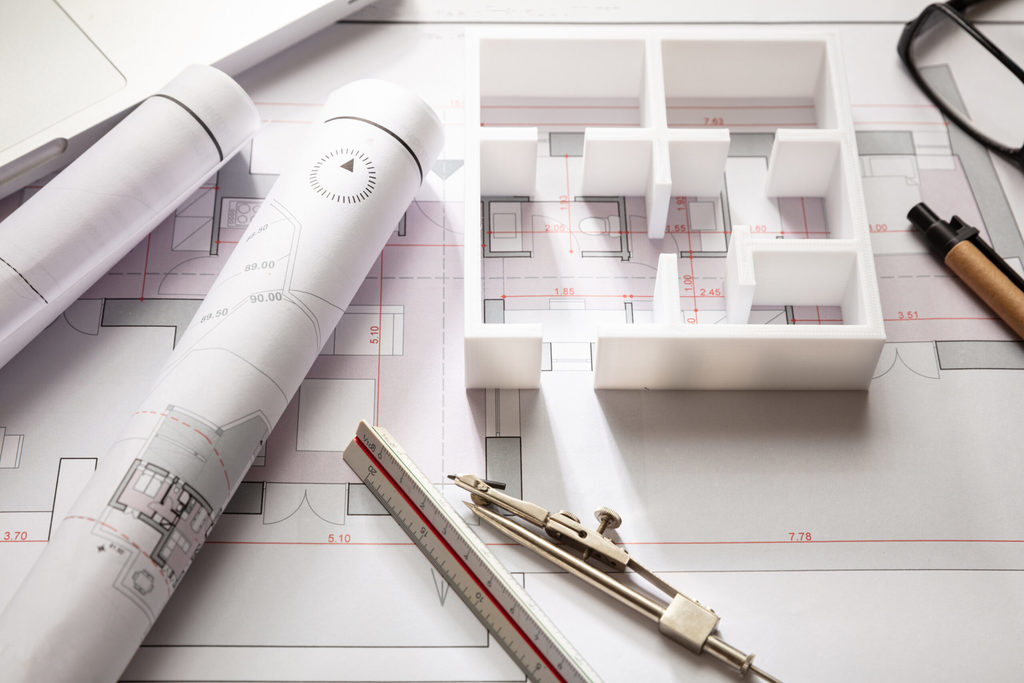
If you’re renovating your space into your dream home, understanding the logistics can be overwhelming. Getting your ideas onto paper to create something memorable can be difficult, but tapping into the power of an architect can bring those dreams to reality.
Most people associate architects with commercial entities, never realizing how accessible an architectural firm really is. Working with an architect can save time and money by quickly elevating the process. You’ll see how space can be transformed without guessing, which helps set the timeframe, budget, and direction for contractors.
Finding the right architect
Finding an architect might be easy – it’s locating the right one to meet your needs that could be tricky. You can contact the American Institute of Architects in your area, do an online search, or get a personal referral. Once you have at least three selected, there are a series of questions you should be asking to determine if they will be a good fit:
What is their specialization?
This is key. You don’t want anyone working on your home when they generally work on commercial or industrial projects. Therefore, the right architect will have experience in residential and home construction. Some of the best architects also offer project management services, including materials selection and daily operations. But beware: some contractors advertise as “design-build contractors” and instead outsource or subcontract to architects. They could offer a design but disappear after turning it over, leaving you to communicate with the actual builder.
Do they complement your style and vision?
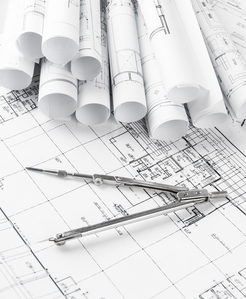
You don’t want an architect who only wants to design what they imagine your home to be. The right architect will be able to understand your wants and needs,
What are their fees?
How does the architect determine their fees, and what do they charge for? For example, are they charging for the design outright? If not, do they charge based on a percentage of the construction costs? Is there a fixed fee, or is it variable based on the scope of work?
What influences an architect’s fees?
Many things can influence an architect’s fees, including the location of your home, the size, complexity of the work, the technology they use, their experience and following, changes to the original project, and other variables.
A good architect has a stellar reputation and offers quality in their design. They show creativity in what they do and have intelligent insight into the best uses of space within your home. They can provide several options on how to proceed. Remember, good architects also have great social skills and should communicate well with you and everyone else involved in your project. They have versatility and are available to discuss your concerns when you need to.
Most of all, good architects are able to dedicate time to your project without being overworked and have the experience and certifications to back their work. If you’re interviewing architects that don’t have these qualities, this is a sign that they won’t be a fit for you.
Need a Bay Area architect? Known as the best architect in the Bay Area, Drafting Cafe is a San Francisco architectural firm specializing in residential additions and remodeling.
Is a Crawl Space Conversion a Good Idea?
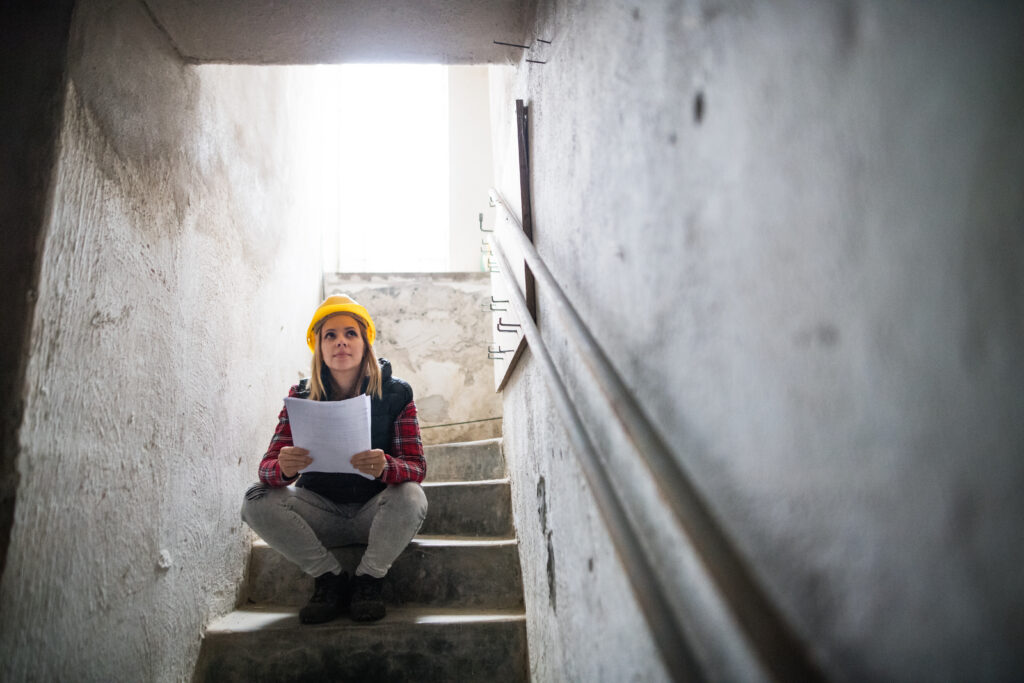
Every home has different spaces that can be repurposed, but have you considered a crawl space conversion? This area is often overlooked, but converting a crawl space into a usable basement is a good idea for many reasons. Consulting an architect and design team that could help reimagine this area into a functional, beautiful space is the best way to ensure your addition remains a good idea for your needs.
Increased Family Value
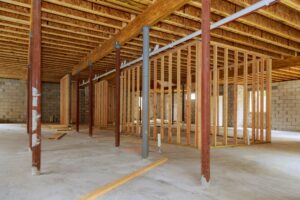
A crawl space conversion is a great way to increase the square footage of your home. Once it’s built out, there are many ways that you can use the new space that can benefit your family. You might use it as a rental unit or to house a family member who needs assistance. You can turn it into an entertainment space to host larger groups indoors. An architectural designer can help you get the most out of your below grade space and consider what added value it can provide your family.
Return on Investment
Most homes with a crawl space converted basement command a higher sale price. This addition provides new space for multiple uses while avoiding the heavy tax penalties of an above-ground expansion – depending on your county codes.
Understanding the Cost Specs
Because basement conversion expenses vary widely based on the project’s scope of work and location, a project manager comes in handy throughout the process. On average, converting a crawl space into a full basement could cost up to or over $150,000. In California, costs are typically even higher.
Construction always starts with the dig out, where rocks and dirt are removed, and generally costs around $30,000. Also, most homes have to be raised or braced to start work. This is an additional $20,000 (or more) with extra costs for drainage and plumbing. You should also consider the wall framing, electrical, waterproofing, drywall, flooring, and painting. In all, this is a job for a professional team and not one to cut corners on. You will need an architectural designer, structural engineering, a builder and a project manager to keep everything going smoothly. These are complicated projects and having an advocate working across all the teams will help.
Feasibility
In some cases, it is not feasible to have the crawl space converted. There is some level of risk involved throughout the process as the home is raised or braced, but working with professionals with experience in this area will help. Do not leave this to just anyone. You will most likely need to relocate during the process which may cost additional money.
If you work with an experienced architect who has worked on crawl space conversions, they can make recommendations during the early phases of your project. If you need to make changes along the way, they can help maintain your vision and goals.
A crawl space conversion provides square footage and increased monetary and personal value but getting the right advice from an experienced team is critical. Only you can decide what makes sense for your family and within your budget.
Best Practices for Designing an Accessible Home
Designing a home for accessibility is not uncommon. In fact, 26% of adults in the U.S. live have a disability, with impaired mobility affecting a large portion of this demographic. Accessible home design is growing, allowing individuals to have a beautiful, functional aesthetic without compromising safety or style.

Planning for future needs doesn’t have to take away from a home’s beauty. Considering accessibility, sensory perception, colors, and noise reduction options can make a difference now and if needed in the future. A good architectural and design team can make these universal design accommodations while retaining beauty within the space.
Identifying the current and possible future needs helps the design team create a timeless design for accessibility that works. The following are elements in your home that need attention when designing for accessibility.
Entrances
A quick way to make things easier for accessibility is to have wide, flat entranceways. This helps individuals who are in wheelchairs or walkers have the space to move freely.
Ramps and Rails
Installing rails and matching wood floor ramps not only helps meet code requirements but helps maintain beauty and charm throughout the home.
Motorization
Motorizing otherwise manually manipulated items is a smart way to modernize your home’s functionality. Things that require moving large curtain panels may have been challenging for those with disabilities in the past. Installing motorized curtains or blinds is one way to make the home more manageable for people of all abilities.
Doors
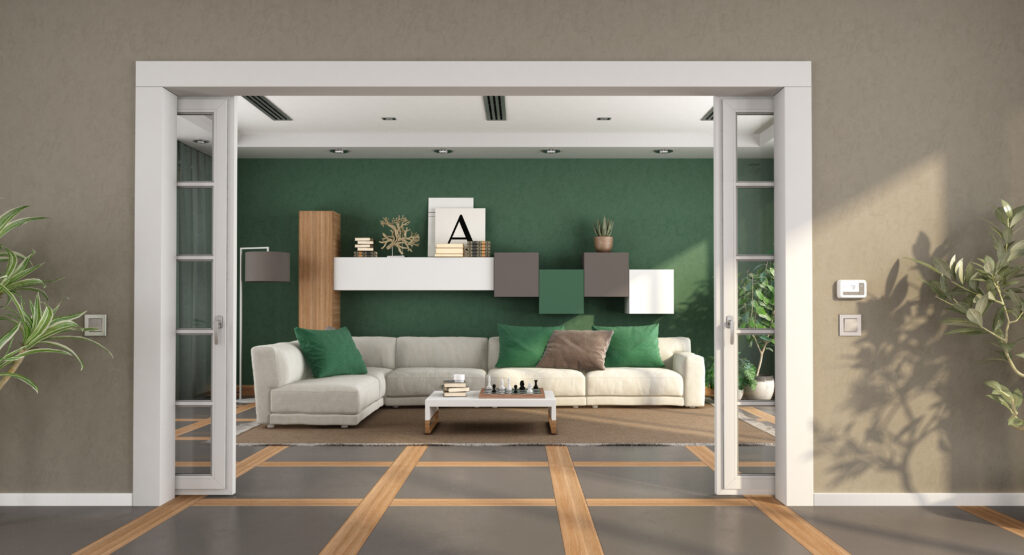
Doors should be easy to open and levers as handles or sliding doors such as barn doors. These features make all the difference for accessibility while still maintaining high levels of a design aesthetic. In some cases, doors can be removed altogether, widening the spaces for a completely different feel.
Having accessibility throughout the home, especially in areas of high use, is key- countertops, restrooms, flooring, and appliances that make things easier all work together for functionality. Customization needs should be communicated to the architectural team well in advance, as well as uses for special spaces.
Colors
Colors also make a huge difference for people who may be having issues with their eyesight or on the autistic spectrum. As time goes on, choosing colors that are easy to distinguish different rooms adds a calming uniqueness while catering to individual needs.
Smart Devices

Now that smart homes are becoming the norm, upgrading technology throughout the home helps individuals with disabilities fully utilize all features while increasing their mobility and functionality. Smart devices that control light switches, appliances, and other appliances will age with the homeowners, providing a sense of security as they become more reliant on the assistance of those features.
These accessibility upgrades and changes provide safe spaces for any age. Implementing these types of modifications allows homeowners to age in place while enjoying all spaces within the home. Your design team must utilize best practices while planning for the home remodel, taking personal preferences, style choices, and architectural design into account.
Finding the right team that understands the client’s needs are the most important item on the list. Drafting Cafe Architects specializes in architecture and design that grows with their clients in functionality and aesthetics. For more information on how we can assist in designing a fully accessible home, contact us for a free estimate today.